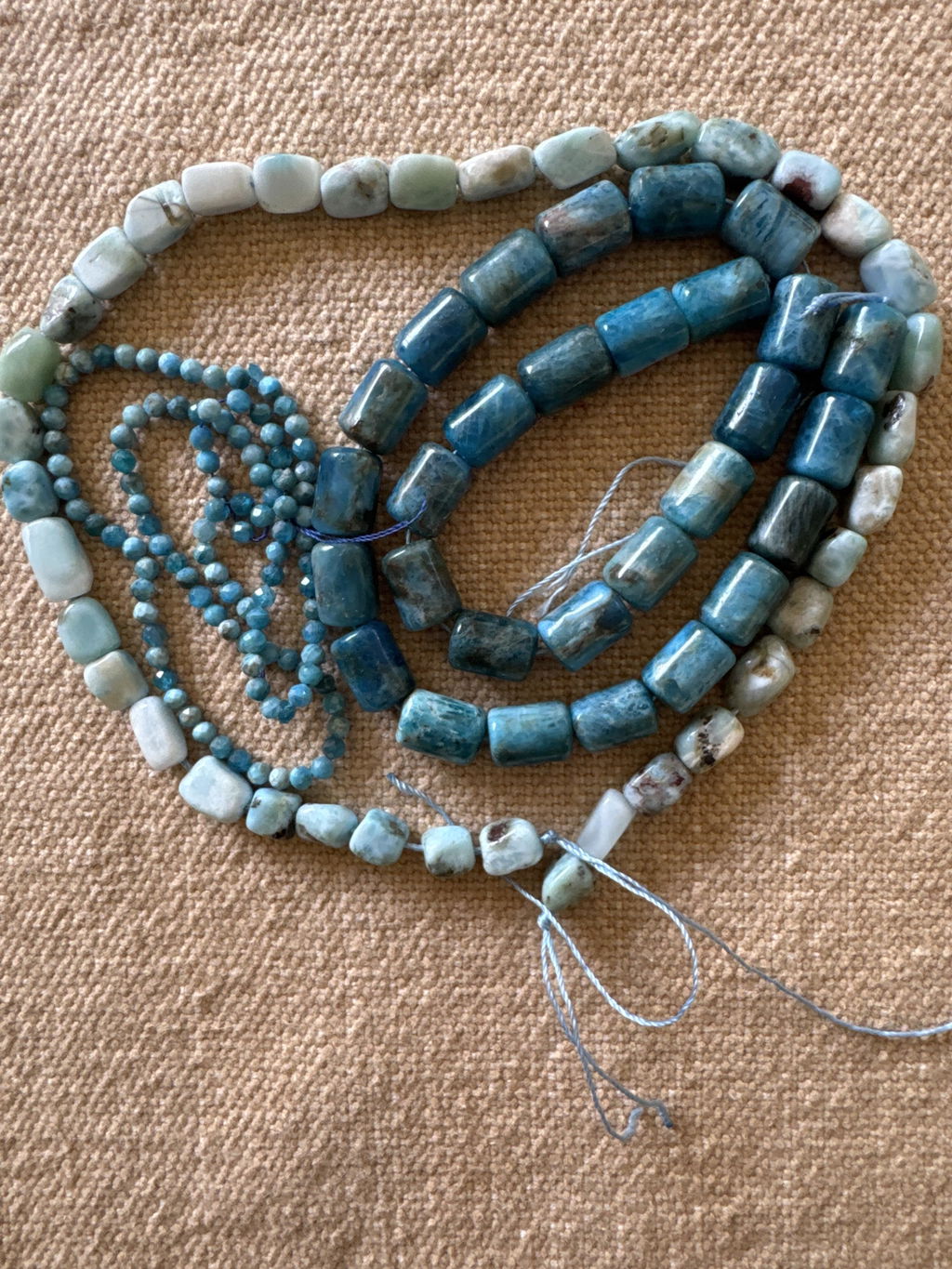
Raw vs. Polished vs. Tumbled: Which Crystal Type Is Right for You?
If you've spent any time browsing crystals, you've probably noticed they don't all look the same, even when they're the same stone. A piece of amethyst might show up as a jagged, unpolished cluster, a smooth glassy sphere, or a small rounded pebble you could carry in your pocket. That's not three different products. It's three different forms of the same crystal, and each one serves a different purpose.
If you've ever stared at a product page unsure which version to add to cart, this is the guide to settle it.
Raw Crystals: Unaltered and Straight From the Earth
Raw crystals are exactly what they sound like: cut or broken from the source and left untouched beyond basic cleaning. No shaping, no polish, no smoothing.
What to know:
Every piece is one of a kind. No two raw specimens look alike, which makes them a natural choice if you want something that feels personal or collectible rather than mass-produced.
The natural structure, points, clusters, facets, is left intact, so you're seeing the crystal exactly as it formed.
Raw pieces tend to run larger and are often the better choice for display: on a shelf, a desk, or as a centerpiece.
Because they're unprocessed, raw specimens are usually the best starting point if authenticity and rarity matter more to you than a "finished" look.
Best for: collectors, display pieces, anyone who wants to see a crystal in its most natural state, and gift-giving for someone who already has a collection and appreciates a specimen over a stone.
Polished Crystals: Shaped and Finished
Polished crystals have been cut, shaped, and buffed to a smooth, often reflective finish. This includes larger decorative pieces, spheres, points, and cabochons, flat-backed, domed stones typically used in jewelry-making.
What to know:
Polishing brings out color and clarity that raw stone often hides, this is usually where a crystal's true depth of color becomes visible.
Shapes are intentional. A sphere, a point, or a cabochon is cut to a specific form, which makes polished pieces the practical choice if you're setting a stone into jewelry or want a specific decorative shape.
Cabochons in particular are sized and cut for jewelry-making, so if that's your end goal, this is the form to shop.
Polished pieces generally cost more than raw or tumbled stones of the same size, reflecting the labor of shaping and finishing.
Best for: jewelry makers, anyone wanting a refined display piece, and gifts where presentation matters as much as the stone itself.
Palm Stones: Smooth, Rounded, and Made to Hold
Palm stones are their own category, and they're worth knowing about on their own. Unlike a cabochon, which is polished flat on the back for setting into jewelry, a palm stone is smoothed and rounded on every side, sized and shaped to fit comfortably in the palm of your hand.
What to know:
Larger than a tumbled stone but not shaped for jewelry, a palm stone is meant to be held, not worn or set.
The rounded, ergonomic shape makes them a popular choice for meditation, worry stones, or simply keeping one on a desk or nightstand.
Because the whole surface is polished, palm stones show off a crystal's color and pattern fully, without the flat back a cabochon has.
Best for: anyone who wants something substantial to hold, meditation and mindfulness use, and gifts for someone who prefers a stone to keep close rather than wear. This is one of our best-stocked categories, so there's a wide range to choose from.

Shop Palm Stones
Tumbled Stones: Small, Smooth, and Everyday
Tumbled stones are polished down further into small, pocket-sized, rounded pieces, the result of a tumbling process that smooths every edge. It's worth understanding this form even if it's not what you end up buying, because it explains why the same stone can look and feel so different from one piece to the next.
What to know:
Size and affordability are the main draws. Tumbled stones are typically a more accessible entry point into a given crystal, both in price and in size.
Smooth and rounded, they're built for carrying, holding, or keeping close, in a pocket, a bag, or on a nightstand.
For a lot of people, this is the form they picture when they picture a beginner's first stone, even if it isn't the form they end up collecting.
Best for: understanding how the tumbling process works, and as a reference point for how raw, polished, and palm stones compare. We carry a more limited selection of tumbled pieces, so if this is the form you're after, reach out and we'll let you know what's currently available.
So Which One Should You Buy?
It really comes down to what you're doing with it:
Want something to display or collect? Go raw.
Making jewelry or want a refined, shaped piece? Go polished (cabochons especially).
Want something substantial to hold, for meditation or just to keep close? Go palm stone.
Want something small to try before committing to a larger piece? Ask us about tumbled availability.
None of these forms is "better" than another, they're suited to different uses. Raw, polished, and palm stones are where you'll find our widest selection.
Shop With Confidence, In Any Form
Every crystal we carry is hand-selected and sourced with the same standard for quality and authenticity. If you're unsure which form fits what you have in mind, our team is happy to point you in the right direction.
Shop raw specimens
Shop cabochons and polished pieces
Shop Palm Stones
Still deciding? Browse our full collection by form, or read our guide on how to choose a crystal for more on picking the right stone for you.