October Birthstones: Opal and Tourmaline Meaning, Colors and How to Wear Them
If your birthday falls in October, you got something most people don’t: two birthstones. Opal is the traditional choice, a stone that seems to hold a small piece of weather inside it. Tourmaline is the modern one, and it comes in more colors than almost any other gem. They couldn’t be more different, and that’s exactly what makes October such a fun month to shop for.
Here’s what each stone is, what people have long associated with it, which colors to look for, and how to wear them so they actually last.

Why October Has Two Birthstones
Opal has been October’s stone for centuries. Tourmaline was added to the modern birthstone list later, giving October a second option, which is part of why you’ll see both on jewelry lists today. If you want the full picture of how birthstones were assigned month by month, our guide to birthstones by month walks through the history.
The practical takeaway: you don’t have to choose one. Many October-born people wear opal for sentiment and tourmaline for everyday color, or the other way around.
Opal: The Stone With Light Inside It
Opal isn’t a crystal in the usual sense. It’s a form of hydrated silica, formed when silica-rich water seeps into rock and slowly settles, and that internal structure is what scatters light into flashes of color. Jewelers call this play-of-color, and no two stones show it the same way.
What opal is traditionally associated with
Across many traditions, opal is linked with creativity, emotional expression, and hope. Because it can flash nearly every color, it’s often described as a stone of many moods, a good fit for people who feel too many things at once to be summed up in one gemstone. These are traditional associations and personal meaning, not promises, but they’re a big part of why people feel attached to opal.
The colors of opal
- White and milky opal has a soft, pale body with gentle flashes of color, the classic look.
- Dark and black opal shows brighter color against a deep background and is the rarest.
- Fire opal is warm orange to red and often has little play-of-color, valued for its glow instead.
- Common opal has no play-of-color at all, but comes in soft pinks, blues and greens that are lovely in their own right.
Caring for opal
Opal is softer than most gemstones and contains water, so it rewards gentle handling. Keep it away from heat and sudden temperature changes, wipe it with a soft damp cloth, and avoid harsh cleaners. Take it off before gardening or heavy cleaning. For daily wear, a pendant or earrings tend to take less knocking than a ring.

Tourmaline: The Rainbow Stone
Where opal is soft light, tourmaline is range. The tourmaline family includes nearly every color: pink, green, blue, yellow, and the famous watermelon tourmaline, which shows pink and green in a single crystal. It’s also considerably harder than opal, which makes it a more forgiving everyday stone.
What tourmaline is traditionally associated with
Different colors carry different associations. Pink tourmaline is tied to love and gentleness, and green to vitality and growth. Black tourmaline is not just a grounding stone: it is also a protective one, and one of the best-known protection stones in the crystal world. As always, these are traditions and personal meaning rather than guarantees, but black tourmaline is the stone many people reach for first when they want something steady and protective nearby.
The colors of tourmaline
- Pink and rose are soft and romantic, an easy match for most skin tones.
- Green ranges from pale mint to deep forest.
- Watermelon pairs pink and green in one stone, a favorite for collectors.
- Black is opaque and bold, a long-time favorite for both grounding and protection.
Caring for tourmaline
Tourmaline is durable enough for regular wear. Warm soapy water and a soft cloth are usually all it needs. Avoid sudden heat, and store it apart from harder stones so it doesn’t get scratched.
Opal or Tourmaline: Which Should You Choose?
| Opal | Tourmaline | |
|---|---|---|
| Look | Soft, shifting flashes of color | Solid, saturated color |
| Everyday wear | Gentle handling recommended | Sturdy for regular wear |
| Mood | Dreamy, creative | Grounded, protective (black), versatile |
| Best for | Pendants and earrings | Rings, bracelets and pendants |
If you want something that’s going to be worn daily without much thought, tourmaline is the practical pick. If you want the piece people stop to look at, opal is hard to beat.

How to Wear October Birthstones
- As a necklace. Opal pendants sit safely away from knocks. Our guide to choosing a crystal necklace you’ll actually wear covers length and weight.
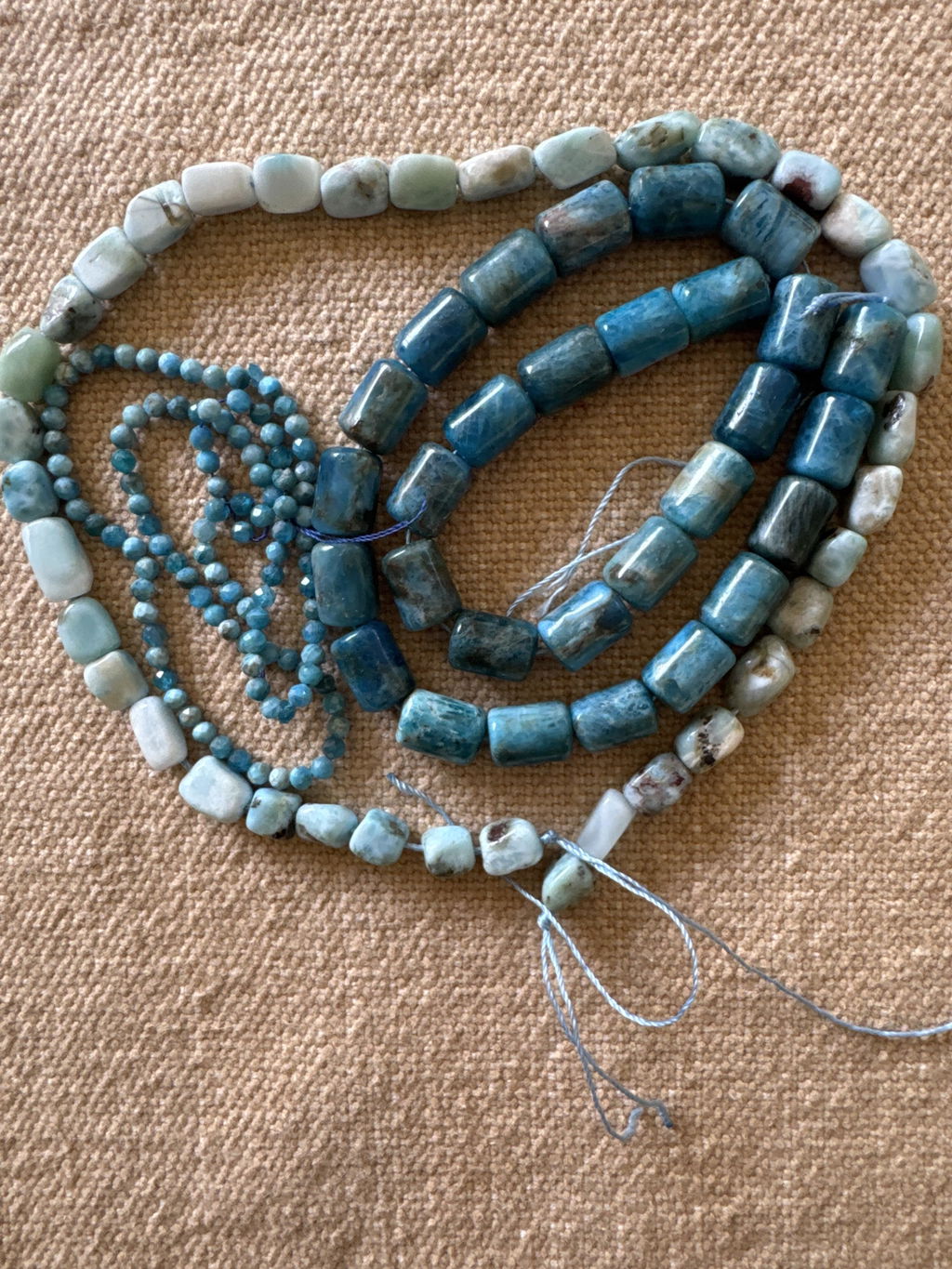
- As beads. Opal and tourmaline beads are popular for making your own birthstone bracelets or necklaces.
- As a gift. A single opal cabochon or a polished tourmaline is a thoughtful birthday gift, especially for someone who already has plenty of jewelry.
- Together. Pair a pink tourmaline with a white opal for a soft, balanced look.
Buying October Birthstones With Confidence
Both stones come with things worth knowing before you buy. Natural opal can be sold alongside doublets and triplets, where a thin layer of opal is attached to another material, and tourmaline colors are sometimes enhanced. A good seller will tell you which is which. If you want to know what to ask, read our post on the questions to ask before you buy any crystal.
Every piece in our shop is hand-selected, and we’re always happy to tell you what we know about where a stone came from.
Looking for more birthstone ideas? Read our full guide to birthstones by month.